


Why Your Clothes Don't Feel Like 'You' Anymore (And What to Do About It)
Updated: Feb 9
Quick Answer: If your clothes don’t feel like you anymore, it usually means your identity has shifted faster than your wardrobe. Fix it by editing out what doesn’t fit (physically or emotionally), naming what does feel like you now, and rebuilding around a few aligned pieces instead of “should” outfits.
You stand in front of your closet, staring at rows of clothes you once loved. But nothing feels right. Nothing feels like you anymore.
If this sounds familiar, you're not alone. And here's the thing: it's not actually about the clothes.
When your wardrobe stops feeling aligned, it's usually a sign that something deeper has shifted. You've evolved. You've changed. And your clothes? They're still representing a version of you that doesn't exist anymore.
Let’s break down why this happens—and what to do next.
Why don’t my clothes feel like “me” anymore?
Here's what most people don't realize: the disconnect between your clothes and how you feel has very little to do with fashion trends or whether you're "stylish enough."
It's about identity.
Think about who you were when you bought most of the clothes hanging in your closet. Maybe you were in a different career. Maybe you were putting everyone else's needs first. Maybe you were trying to fit into someone else's idea of who you should be.
Now? You're different. You've grown. You've learned things about yourself. You've been through transitions: career changes, relationship shifts, life milestones that altered how you see yourself and what you want.

Your internal world has evolved, but your external presentation hasn't caught up yet. That's the gap you're feeling.
And sometimes, that gap shows up as body changes too. Your body might look different than it did in a different season of your life, and suddenly clothes that used to feel comfortable now feel restrictive or just... wrong. When clothes don't fit the way they used to, it's easy to feel frustrated with your entire wardrobe: and with yourself.
But here's what matters: how you feel about your clothes is directly connected to how you feel about yourself. When you're going through a transition or feeling uncertain about your direction, your wardrobe becomes a mirror for that discomfort.
How do I know if I’m dressing for other people’s expectations?
Let's be honest: a lot of us spent years dressing for other people.
We dressed for the job we thought we needed to impress people at. We dressed to blend in, to not draw attention, to meet some invisible standard of "appropriate." We bought clothes based on what we thought we should wear, not what actually felt authentic.
This is especially common for women navigating personal branding for women in professional spaces. There's so much pressure to look a certain way, to project a specific image, to fit into narrow definitions of "credible" or "polished."
But when you start doing deeper inner work: when you start asking yourself who you actually are and what you actually want: all those should-wear clothes start feeling heavy. Uncomfortable. Like a costume you're tired of wearing.
That's not a problem. That's progress.
What’s the connection between personal style and identity?
Here's something that might surprise you: confidence through personal style isn't about following rules or getting everything "right." It's about alignment.
When what you wear on the outside matches who you are on the inside, everything shifts. You feel more grounded. More present. More like yourself.
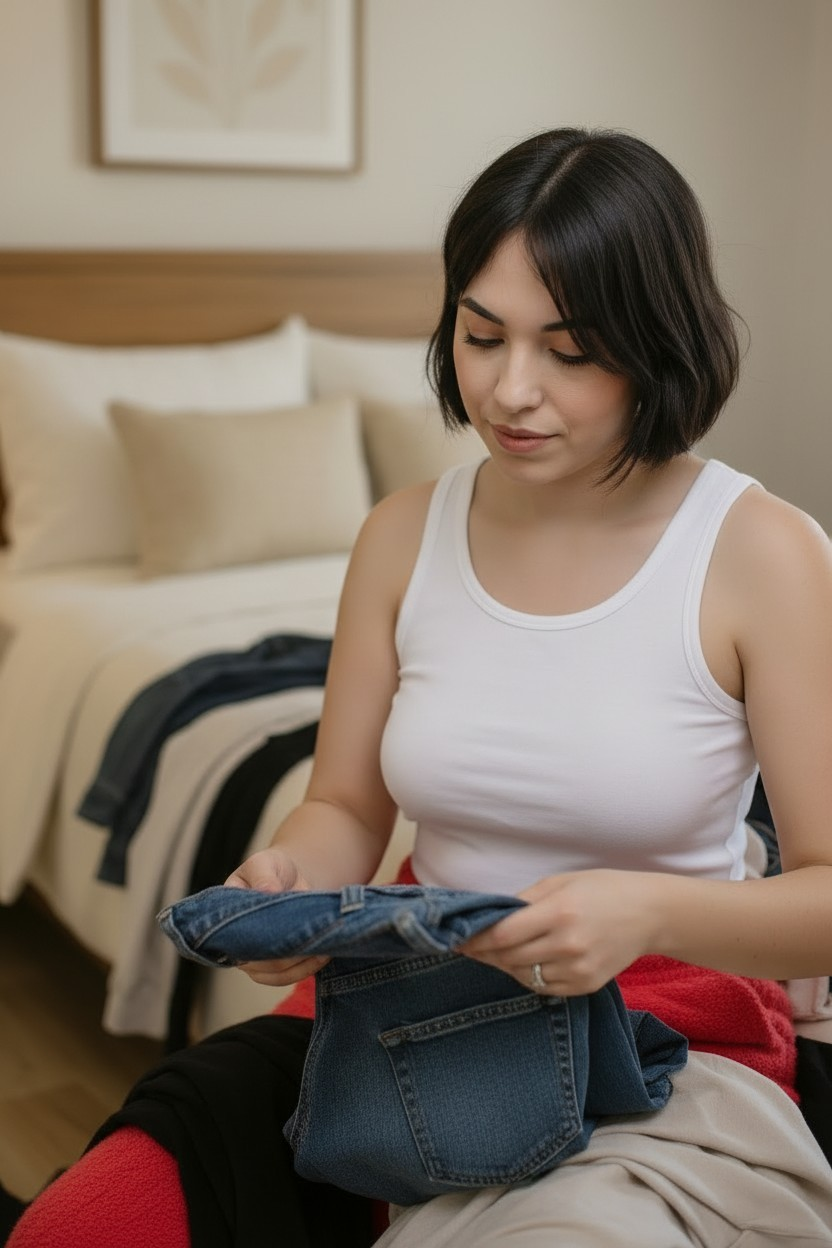
But achieving that alignment requires knowing who you are right now: not who you used to be, and not who you think you're supposed to become. Just who you are, in this moment, in this phase of your life.
That's the foundation of learning how to dress authentically. It's not about trends or capsule wardrobes or buying more stuff. It's about reconnecting with yourself first, and then choosing clothes that reflect that truth.
What should I do when nothing in my closet feels right?
So what do you actually do when you're standing in front of that closet, feeling lost?
Start With An Honest Edit
Go through your closet and pull out anything that makes you feel bad. That includes:
Clothes that don't fit your body right now (not someday, not eventually: right now)
Things that are damaged, stained, or worn out
Items you bought for a version of you that no longer exists
Pieces you're keeping out of guilt or obligation
This isn't about perfection. It's about creating breathing room. When you remove the things that cause stress every time you see them, your closet becomes a more intentional, supportive space.
Figure Out What Actually Works For You
Once you've cleared out what doesn't fit, start paying attention to what does.
What fabrics feel good on your skin? What cuts and silhouettes make you feel comfortable and confident? What colors make you feel alive?

This is where you get to experiment. Try things on. Notice what makes you stand taller, what makes you feel more like yourself. Comfort and style aren't opposites: they work together when you're choosing pieces that fit your actual body and your actual life.
Reconnect With Your Current Self
Before you buy anything new, spend some time asking yourself:
Who am I becoming?
What do I want my life to feel like?
What values matter most to me right now?
Your wardrobe should support the life you're living and the person you're becoming. Not the life you left behind, and not some imaginary future version that doesn't exist yet.
This is where personal branding for women gets interesting. Your personal brand isn't about creating a fake image: it's about expressing your authentic self in a way that feels aligned and intentional.
Choose Pieces That Reflect Who You Are Now
As you rebuild your wardrobe, focus on authenticity over trends. Choose pieces that genuinely resonate with you, even if they don't fit conventional style rules.
Maybe that means embracing bolder colors. Maybe it means prioritizing comfort in a way you never allowed yourself before. Maybe it means investing in a few quality pieces that feel special instead of filling your closet with fast fashion.
The point is: your clothes should feel like an extension of you, not a disguise.

Why does changing my style feel so emotional?
Let's acknowledge something important: this process can bring up feelings.
Letting go of clothes from an earlier chapter of your life can feel like grief. Accepting that your body has changed can be challenging, especially in a culture that constantly tells women their worth is tied to their appearance.
Be gentle with yourself through this. Wardrobe transitions are rarely just about clothes: they're about identity, self-acceptance, and growth.
And here's the truth: buying a new wardrobe won't fix deep issues with self-esteem or body image. The real work is internal. It's about reconnecting with who you are, what you value, and what genuinely makes you feel good.
But when you do that internal work and align your external presentation with it? That's when everything clicks into place.
How can my wardrobe support my next chapter (instead of fighting it)?
Think of your wardrobe as a tool that supports your evolution, not a final destination you need to reach.
As you continue to grow and change, your style will evolve too. And that's exactly how it should be. The goal isn't to figure out your "perfect style" once and be done: it's to stay connected to yourself and let your wardrobe reflect wherever you are in your journey.
When you stop trying to dress for who you think you should be and start dressing for who you actually are, something shifts. You show up differently. You feel different. You give yourself permission to take up space as your authentic self.
And that? That's what confidence through personal style really looks like.

Moving Forward
If your clothes don't feel like you anymore, that's not a crisis: it's an invitation.
It's an invitation to get curious about who you're becoming. To let go of what no longer serves you. To build a wardrobe that actually supports the life you want to live.
Start small. Clear out one section of your closet. Try on pieces you haven't worn in a while and notice how they make you feel. Pay attention to what brings you joy and what drains your energy.
This is your evolution. Your next chapter. And learning how to dress authentically for this version of yourself is part of that journey.
You don't need to have it all figured out. You just need to take the first step.
Key Takeaways
If your wardrobe feels “off,” it’s usually an identity shift—not a shopping problem.
“Should” clothes (other people’s expectations) tend to feel like costumes once you evolve.
Alignment beats trends: the goal is looking like who you are now.
Start with an honest edit: remove anything that doesn’t fit your body or your life today.
Rebuild with intention: notice what feels good, then choose a few pieces that reflect your next chapter.
Style transitions can bring up grief and body feelings—normal, not dramatic. Be kind to yourself.
Currently in my Poshmark Boutique
With love and magic, Ana


Comments